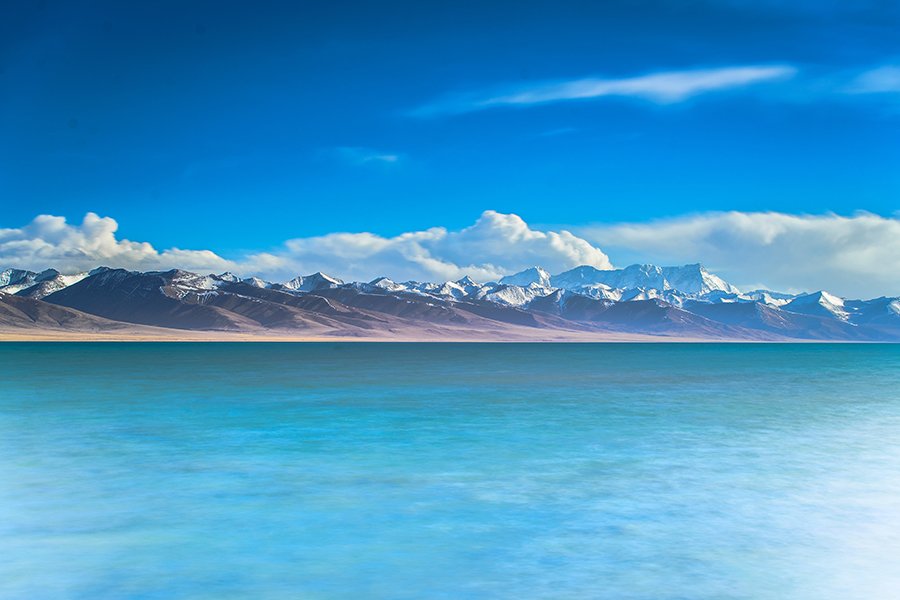
Imagine standing at the foot of Mount Kailash in Tibet, the crisp Himalayan air filling your lungs as you gaze upon a peak that's remained unclimbed for centuries, revered as the abode of Lord Shiva and the cosmic centre for multiple faiths. Now picture dipping your hands into the crystal-clear waters of Lake Mansarovar, a sacred site believed to wash away lifetimes of sins and grant moksha. Then, journeying to the ancient Muktinath Temple in Nepal, where an eternal flame burns alongside 108 holy waterspouts. For spiritual seekers from the Netherlands, the Kailash Mansarovar Yatra 2026 combined with Muktinath offers an unparalleled spiritual pilgrimage in the Himalayas, one that blends profound inner reflection with breathtaking adventures, especially auspicious in the Tibetan Year of the Horse.
At Tapasya Reizen, we've crafted this complete travel guide for the Kailash Mansarovar Muktinath Tour 2026 to help Dutch travellers embark on this life-changing experience. Our expertise in pilgrimage tours Nepal & Tibet, we cover everything from the Kathmandu to Kailash Mansarovar route, hassle-free visa arrangements. Whether flying from Amsterdam Schiphol or preparing for Dolma La Pass trekking, we'll ensure a seamless journey.
Overview of the Kailash Mansarovar Muktinath Yatra
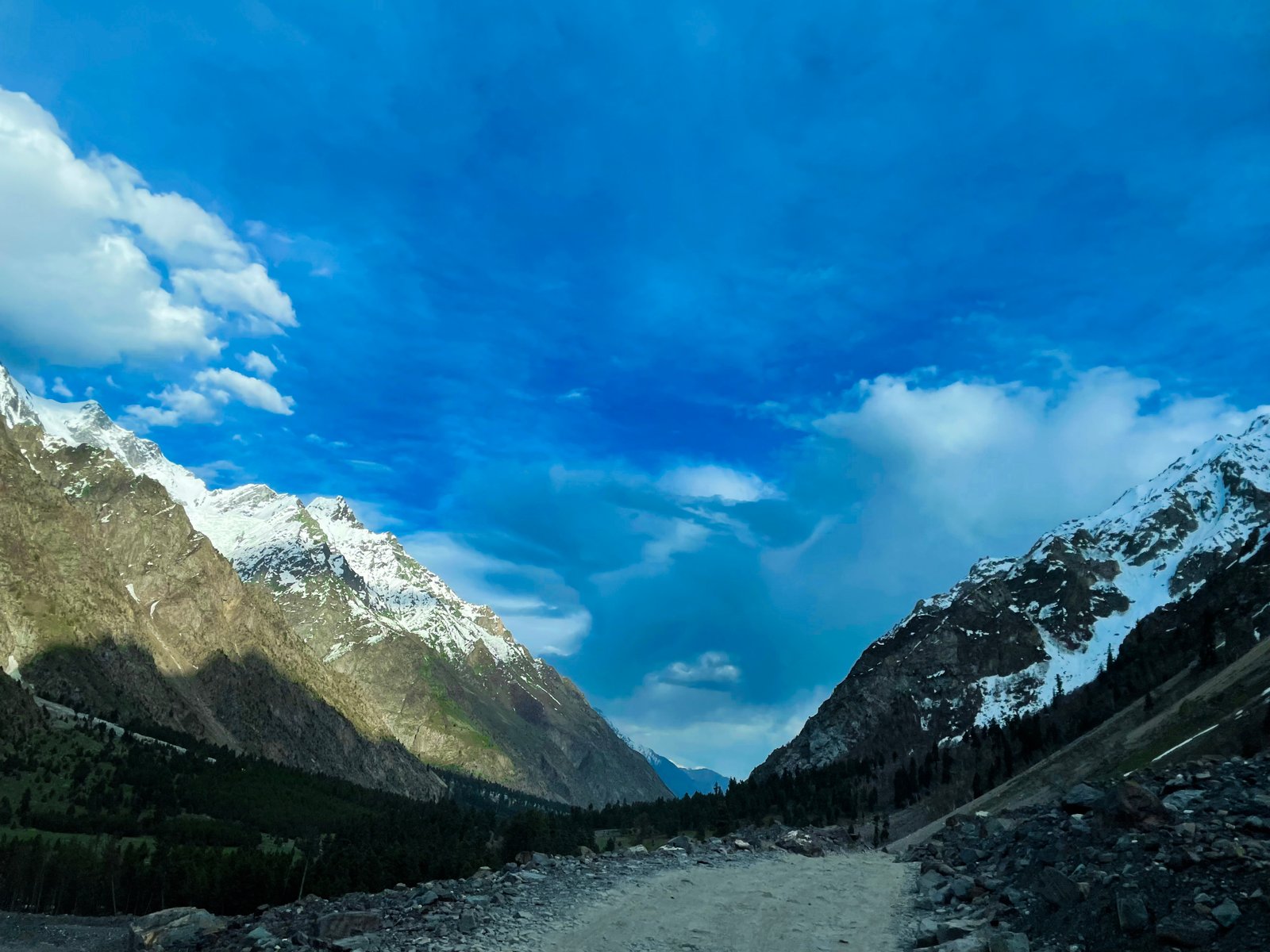
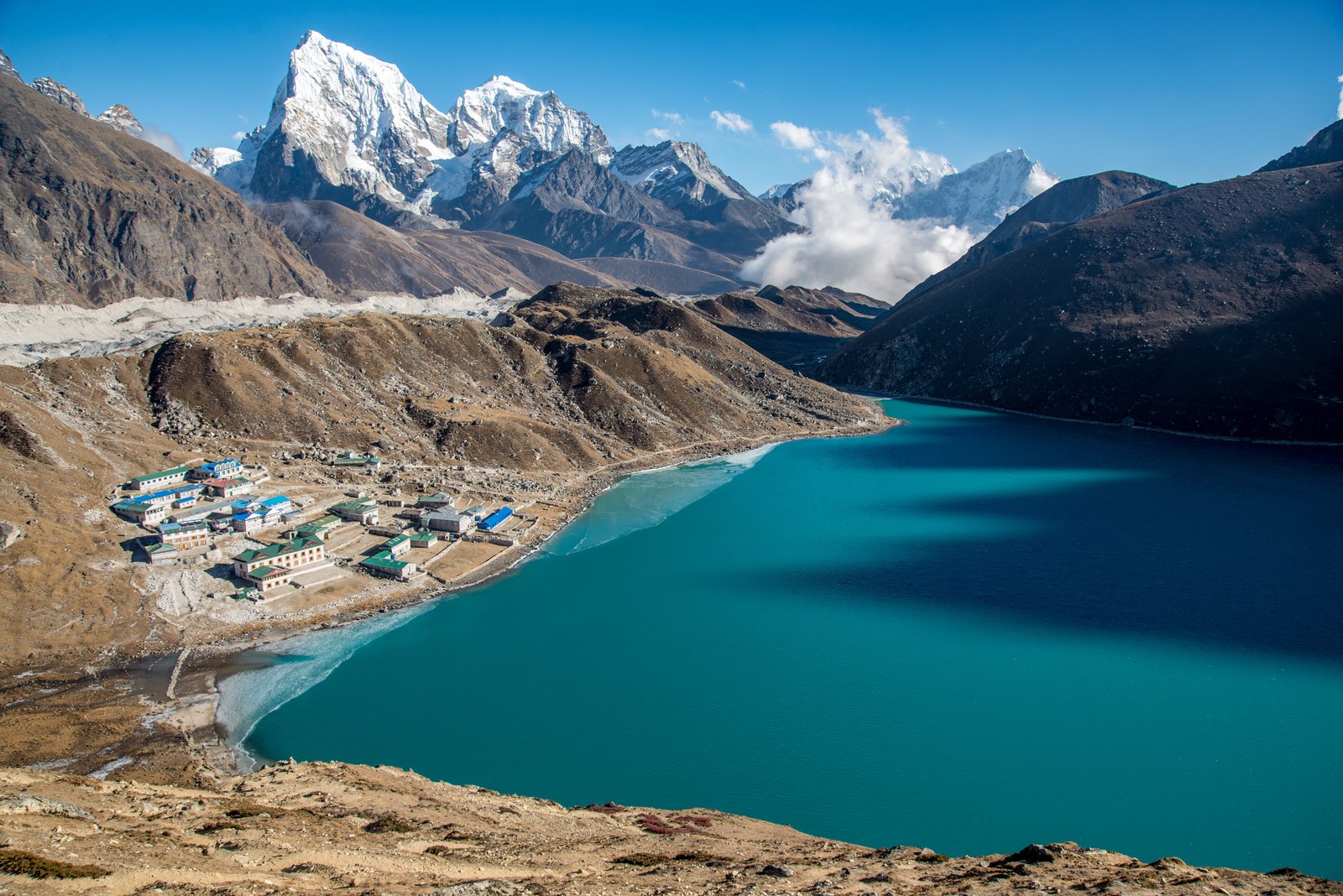
The Kailash Mansarovar Muktinath Tour is a profound spiritual pilgrimage in the Himalayas connecting sacred sites revered in Hindu, Buddhist, Jain, and Bon traditions. Mount Kailash Tibet (6,638m) symbolizes the universe's axis and Lord Shiva's home, while nearby Lake Mansarovar sacred site offers purifying waters for liberation. In Nepal's Mustang region, Muktinath temple trip (3,710m) features salvation-granting rituals amid stunning vistas.
For Dutch pilgrims, this Kailash Mansarovar Yatra 2026 resonates with our appreciation for introspection and nature. The journey spans rugged terrains via the Kathmandu to Kailash Mansarovar route over the Nepal-Tibet border, plus Jomsom to Muktinath travel by flight and jeep. This 19-day combined tour includes acclimatization and reflection time. In 2026, the auspicious Horse Year, one Kailash parikrama equals 13 in normal years, amplifying blessings. Improved border access in 2026 promises smoother travels.
The Spiritual Significance of Kailash Parikrama (Kora)
The Kailash Parikrama, also known as the Kailash Kora, is the sacred circumambulation of Mount Kailash in Tibet, a 52-km trek around one of the most revered mountains on Earth. This ritual holds profound spiritual meaning across four ancient religions: Hinduism, Buddhism, Jainism, and Bon. Pilgrims believe that completing the parikrama purifies the soul, erases accumulated karma or sins, and brings one closer to liberation or enlightenment. One circuit is said to cleanse the sins of a lifetime, while traditions speak of 108 circuits guaranteeing nirvana or moksha.
Significance in Hinduism
Hindus view Mount Kailash as the eternal abode of Lord Shiva and his consort Parvati, often identified as Mount Meru, the cosmic axis of the universe. The parikrama, performed clockwise, symbolizes devotion to Shiva and is believed to wash away sins from past lives, breaking the cycle of birth and death to attain moksha (liberation). Ancient texts like the Vishnu Purana describe Kailash's four faces made of precious materials, adding to its divine aura.
Significance in Buddhism
Tibetan Buddhists call the mountain Kang Rinpoche (Precious Jewel of Snow) and see it as the home of Demchok (Chakrasamvara), representing supreme bliss. The kora, done clockwise, purifies negative karma, accumulates merit, and advances the path to enlightenment. It's also linked to the poet-yogi Milarepa, who meditated here. One circuit is thought to erase a lifetime's sins, with full prostrations along the way amplifying devotion.
Significance in Jainism
Jains name the peak Ashtapada and believe their first Tirthankara, Rishabhadeva (also known as Adinath), attained nirvana (moksha) here. The parikrama (clockwise for most, though some traditions vary) honors this liberation and aids the pilgrim's own spiritual release from the cycle of rebirth.
Significance in Bon
In Tibet's ancient Bon tradition, Kailash is a nine-story swastika mountain and seat of spiritual power, home to the sky goddess and founder Tonpa Shenrab. Bonpos uniquely perform the kora counterclockwise, viewing it to connect with cosmic energies, purify the soul, and gain insight into universal mysteries.
Itinerary (Day-Wise Route Plan)
Here is a concise overview of the 19-day Kailash Mansarovar Yatra 2026 combined with Muktinath, for travellers with Tapasya Reizen:
- Day 1: Departure from Amsterdam (June 29)
- Day 2: Arrival in Kathmandu (June 30)
- Day 3: Kathmandu Sightseeing (July 1)
- Day 4: Drive to Rasuwagadhi Border (July 2)
- Day 5: Enter Tibet-Kerung County (July 3)
- Day 6: Kerung to Saga (July 4)
- Day 7: Saga to Lake Mansarovar (July 5)
- Day 8: Mansarovar Rituals to Darchen (July 6)
- Day 9: Kailash Parikrama Day 1 Darchen to Dirapuk (July 7)
- Day 10: Parikrama Day 2 Dirapuk to Zuthulpuk via Dolma La Pass (July 8)
- Day 11: Parikrama Day 3 Zuthulpuk to Darchen, Drive to Saga (July 9)
- Day 12: Saga to Kerung (July 10)
- Day 13: Return to Kathmandu (July 11)
- Day 14: Kathmandu Free Day & Shopping (July 12)
- Day 15: Kathmandu to Pokhara via Manakamana (July 13)
- Day 16: Pokhara to Jomsom & Muktinath (July 14)
- Day 17: Jomsom to Pokhara, Sightseeing (July 15)
- Day 18: Pokhara to Kathmandu (July 16)
- Day 19: Departure (July 17)
Cost, Inclusions & Exclusions
From €4,799 pp (twin share) includes:
- • International Amsterdam–Kathmandu round trip (economy), domestic flights (Pokhara–Jomsom etc.), ground transport.
- • Twin-share accommodation (5★ in Kathmandu, 4★ in Pokhara, basic lodges in Tibet/Nepal route), full board where indicated.
- • Tibet and Nepal permit (Tibet Travel Permit & Chinese group visa processing where applicable), local guide fees, Sherpa support, oxygen cylinders and basic medical kit. Duffel bag, Tapasya jacket and certificate of completion.
Exclusions:
- • Travel insurance with emergency evacuation (mandatory).
- • Nepal visa fee (approx. €30 on arrival for EU passport holders).
- • Horse/yak rental for parikrama (optional), personal expenses.
Practical travel & safety notes
Acclimatization: our itinerary stages altitude carefully; drink 3-4 L water daily, rest when needed, and consult your physician for Diamox if recommended. Carry personal medications.
Insurance: Evacuation cover is mandatory. We recommend coverage that includes high-altitude helicopter evacuation.
Season: Best months are May-October (spring & autumn preferred for clear skies). The Saga Dawa festival (late May/early June) is a special pilgrimage period for Buddhists.
Packing checklist (brief)
- • Thermal base layers, fleece mid-layer, waterproof outer shell.
- • Broken-in trekking boots, wool socks, sunglasses (UV 400), sun cream SPF 50+, headlamp, power bank.
Best Time to Visit Kailash Mansarovar & Muktinath
Timing your Kailash Mansarovar Yatra 2026? The sweet spot is May, October, when passes clear and temps hover 0,20°C daytime. Our June 29 departure nails peak season: post, monsoon clarity without July's crowds or August rains.
For Mount Kailash Tibet and Lake Mansarovar sacred site, May, June offers blooming meadows and Saga Dawa Festival vibes, Buddha's enlightenment reenactments. September, October? Crisp autumn hues, ideal for Dolma La Pass trekking. Avoid November, April: sub, zero blizzards close roads.
Muktinath shines March, May or September, October; our July slot catches Mustang's wildflowers. From the Netherlands, summer aligns with your vacation direct, Ish flights via Turkish Airlines (€500,700 round, trip) are plentiful. Weather tip: Pack layers; winds hit 50km/h. 2026's Fire Horse year? Double merits don't miss it.
Frequently Asked Questions (FAQs)
Q: Am I fit enough to do this?
A: Moderate fitness required; the kora includes a long, steep day over Dolma La (5,670 m).
Q: Do you handle permits and visas?
A: Yes, Tapasya Reizen handles Tibet Travel Permit and Nepal entry formalities for the group. See "Permits & visa" above for important caveats.
Q: Are there single rooms?
A: Yes, single supplement €600.
Q: Best camera for Dolma La Pass trekking shots?
A: Lightweight DSLR or phone with wide-angle; capture the pyramid peak at dawn.
Call to action
Limited seats. To reserve: call or email on the details mentioned below:
Contact person: Drs. Nargiz Raghoebarsing
Phone number: +316-29017471
Email: nargiz@tapasyareizen.nl
Website: www.tapasyareizen.nl